
Superfood of the Week: Olive Oil
 PIN IT!
.jpg)
I can’t believe it’s taken me so long to highlight this superfood, but better late than never! I’ve always been obsessed with olive oil, on salad, bread, in stir-fries, on vegetables and dressings. However, ever since my excursion in Italy, my obsession has only intensified, and now I use olive oil on everything, even things that it probably shouldn’t be used with. Not only is olive oil delicious, it has fantastic health benefits!
Full of Fat…The Good Kind!
Olive oil is comprised of 77% monounsaturated fats, which are considered the “good” fats. Studies have shown that mono and poly-unsaturated fats can reduce your LDL [bad] cholesterol when they are used in part with a low-fat diet. Along with lowing cholesterol, these good fats also may assist in reducing heart disease. Like polyunsaturated fats, monounsaturated fats provide essential fatty acids for healthy skin and the development of body cells. Keep your fat levels around 25-35% of total calories, though, to stay on track with weight loss and weight maintenance.
Reducing Heart Disease

The fats and other ingredients in olive oil have also been proven to reduce heart disease. Extra virgin olive oil, which is the least processed of all the varieties of olive oil, contains poly-phenol antioxidants which are known to act as anti-inflammatory and anti-coagulant agents in the bloodstream, which can cause heart disease! The other phytochemicals found in olive oil also reduce inflammation of the blood vessels, which work to prevent oxidation of fats in the bloodstream. These phytochemicals also protect blood vessel walls and dilate the blood vessels for improved circulation. [According to TLC health].
Types of Olive Oil

If you are a novice chef, trying to pick out olive oil to use for the first time can be incredibly overwhelming, due to the different brands, types and varieties of this superfood found in most grocers! However, don’t just grab a bottle without doing a bit of research first because not all of the oils are the same or contain the same amount of benefits! [Information found on WebMD, The Food Network and Healing Daily.]
Extra Virgin: This type of oil is considered the best and healthiest, because it is the least processed. This grade of oil comes from the virgin oil production only and contains no more than 0.8% acidity. This type is often used for dipping, for salad dressings and soups.
Virgin: This type of oil comes from the second processing and contains about 2% acidity. It is often used for cooking.
Pure: Pure olive oil is made up of a blend of virgin and refined production oil. This lesser grade type of olive oil has a lower nutrient level due to the standardized and neutralized flavors.
Extra Light: This type of oil undergoes considerable processing and has a very mild olive flavor. This type of oil is very light in color and is best used in high heat cooking and baking due to it’s very light flavor and color.
Olive oil, besides being a healthy superfood, is also a very versatile ingredient and can be used in many different types of recipes! If you aren’t sure how to use it, visit The Olive Oil Source for some great recipes to get you started! If you aren’t much of a cook, pour a little Extra Virgin into a bowl, cut up some fresh mozzarella and tomatoes, slice up a loaf of French or crispy bread and serve as a refreshing, light appetizer! It’s a simple and easy way to appease your guests and boost your health!
Eat Skinny Be Skinny: Feta Chicken and Vegetables
I’m on a cooking streak and amazingly, everything I make turns out great! [In Elliot eats it without making a face!] I vowed last week [after my third meal of just a plain chicken breast and instant noodles] that I would start cooking actual meals from actual recipes. After my first attempt turned out amazing [see my herb-crusted salmon] I decided to try another recipe, this time featuring my forever lover chicken. And it was another success!
The recipe, featured below, is a great way to give your ordinary chicken and veggie dinner a nice, Mediterranean flair. [Because, honestly, we’d all rather be eating this overlooking the Mediterranean]. This recipe is also very versatile and easily changed! We had two containers of baby zucchini and I needed to use them up so I featured them instead of the peppers that the recipe called for. This recipe is courtesy of Cooking Light. Visit the link to see the original!

Feta Chicken with Vegetables
Ingredients
- 1 tablespoon all-purpose flour
- 1/2 teaspoon dried thyme
- 1/4 teaspoon black pepper
- 1/8 teaspoon salt
- 2 skinned, boneless chicken breasts
- 2 teaspoons olive oil
- 2/3 cup zucchini strips
- 1/2 cup vertically onion
- 1/3 cup fat-free chicken broth
- 1 teaspoon white wine vinegar [or cooking white wine]
- 1/4 cup (1 ounce) crumbled fat free feta cheese, divided
- 1 whole wheat pita, cut in half
Preparation
- Combine first 4 ingredients in a shallow dish and dredge chicken in flour mixture.
- Heat oil in a skillet coated with olive oil. Add chicken, and cook 5-6 minutes on each side or until browned. Remove chicken from pan but keep warm.
- Add zucchini, onion, broth, and vinegar to pan and cook 5 minutes or until vegetables are soft, stirring frequently. Spoon vegetable mixture into a bowl and stir in 2 tablespoons cheese.
- Return the chicken to pan [same one you used for the vegetables] and sprinkle with 2 tablespoons cheese. Cover and cook over low heat 3-5 minutes or until cheese melts.
- Grill pita halves on grill until crispy. Cover with olive oil, if preferred.
- Divide the vegetable mixture evenly between 2 plates, and top each serving with a chicken breast half. Garnish with oregano sprigs, if preferred.
Nutritional Information: 245 calories, 10 g.m. of fat, 30 g.m. protein
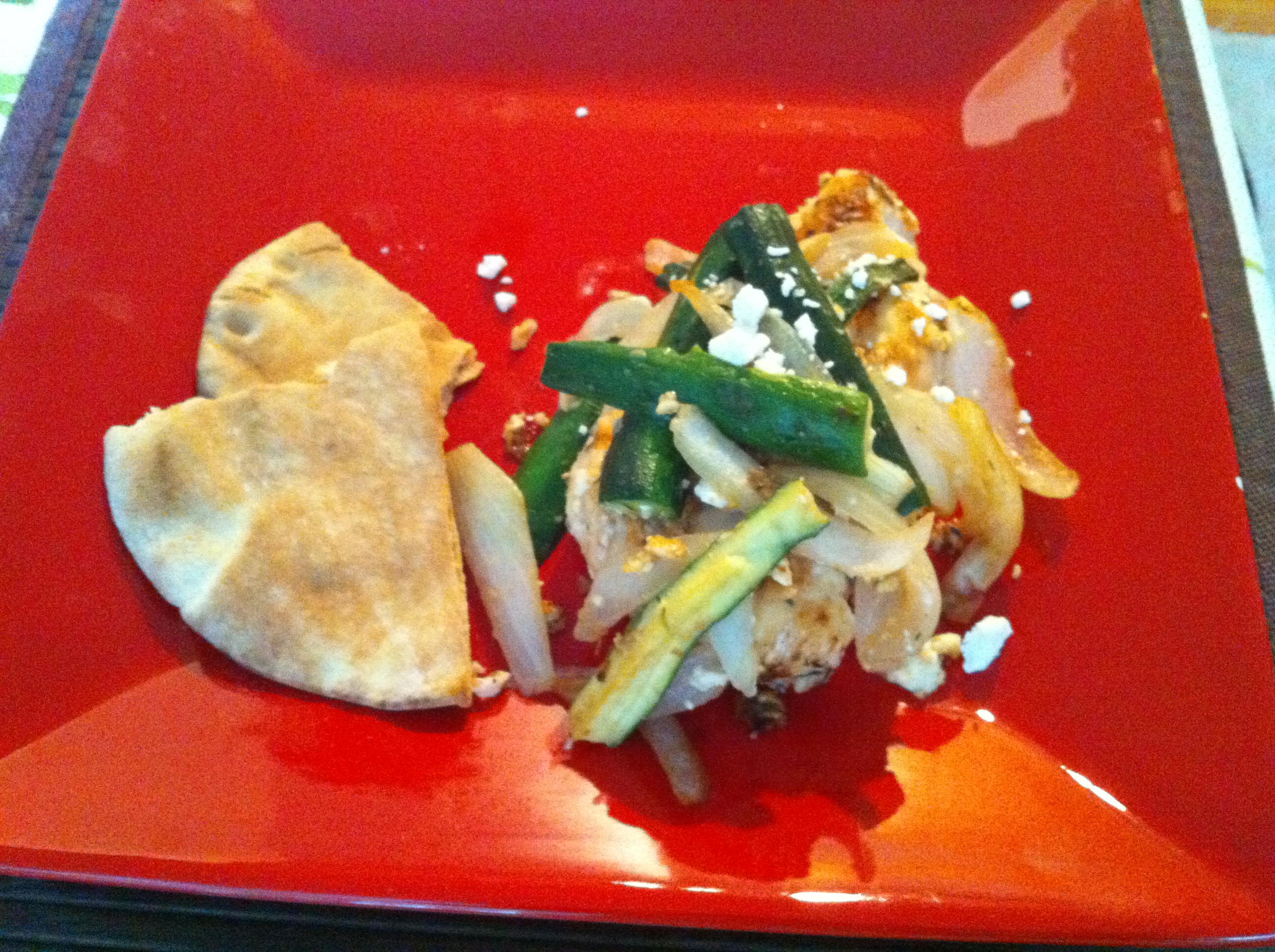
With the leftover zucchini, feta cheese and some grape tomatoes I had lying around, I mixed up a nice, fresh salad with some romaine hearts. I added a few croutons and dressed in a white-balsamic dressing. The best answer to left over vegetables!
Nutrition in the News: House Committee Approves Child Nutrition Bill

With the expiration of the original Child Nutrition Act rapidly approaching [September 30] it’s no surprise to me that the House and Senate are working overtime to ensure that this re-authorization bill gets passed, but with some much needed improvements. The Child Nutrition Act, which encompasses school lunch overhaul, special nutrition programs for low-income women, infants and children known as WIC, more summer and after-school meals and pilot projects that include an organic pilot proposed by Rep. Jared Polis, D-Colo., which is an optional plant-based school lunch. This bill, and the focus on children’s nutrition, has gained a lot of traction, especially thanks to First Lady Michelle Obama. The only thing really stopping this bill from moving forward is the same thing that stops many important bills and movements: funding.
According to an article written in AG week, the House bill would increase the cost of the programs by $8 billion over 10 years. The similar provisions in the Education and Labor-approved bill, which was approved earlier this year, included a 6-cent increase in the reimbursement to schools for meals [in the past, schools almost received no reimbursement for spending]. However, this slight increase in reimbursement would only increase total government spending by $4.5 billion in 10 years, with offsets coming from a food stamp education program and a cut in the environmental quality incentives program. That’s a $3.5 billion dollar deficit, which in our slowly improving economic environment, is hard to digest.

The bill isn’t just going to combat childhood obesity, it’s also going to work to end childhood hunger and increase the availability of healthy options for students. As mentioned above, the co-sponsored organic program will provide students with freshly grown, organic vegetables and fruits, which are free of the pesticides and preservatives that are commonly found on lunch/school trays. Children who come from low-income families and who live in poor areas will have the opportunity to eat fresh, nutritious foods, many of which are not commonly found in their meals. Low income areas are common breeding grounds for high-fat, high-calorie fast food and junk food, which is often all these families and children have to chose from because they are the cheapest.
I’m so happy and moved that childhood nutrition has gained such a strong following and is finally center stage, I just worry that this bill will fall short due to lack of funding. It’s so important to instill healthy eating patterns in children and this bill works to do this, as well as give many children the opportunity to eat fresh, healthy food that is often not presented to them. With the childhood obesity rate so high, the only place we can go from here is up, and I think this bill and these provisions will get us on the right steps to solving this epidemic, as well as helping to end hunger in children.
A Happy Life Tip: Eat Breakfast!

Breakfast is the most important meal of the day, but we all know that, right? Right. And if you don’t, please take a look at my past resolution day to eat breakfast everyday for the full list of why it’s imperative to your health, weight control and maintenance and even your mood!
To further emphasize the importance of breakfast, a study done at the University of Alabama at Birmingham [as featured in SELF] found that mice who consumed a high-fat morning meal burned more fat throughout the day than the mice who were fed high-carb, low-fat morning meals. By eating a higher percentage of fat in the morning, your circadian clock may be shifted to burn more fat throughout the entire day [much like the mice!].
Not sure how to add fat to your mostly carb morning meal? No problem! If you normally grab a granola bar on your way out, trade your plain for a peanut butter variety to gain healthy fat that way. If you are a cereal eater, try sprinkling chopped or sliced almonds over your flakes for a boost. If you are one of the few [but very smart] people who carve out extra time to make breakfast, try this recipe below [courtesy of Eating Well] to get a healthy dose of fat to get your body burning!
Green Eggs & Ham Frittata

Ingredients
- 8 eggs
- 1 1/2 teaspoons dried dill
- 1/4 teaspoon salt
- 1/4 teaspoon freshly ground pepper
- 2 tablespoons olive oil
- 2 leeks, white and light green parts only, diced
- 1 5-ounce baby spinach, chopped
- 1/2 cup diced ham
- 1/2 cup shredded havarti or Muenster cheese
Preparation
- Preheat oven to 450°F.
- Whisk eggs, dill, salt and pepper in a medium bowl. Heat oil in a skillet over medium heat. Add leeks; cook, stirring, until softened. Add spinach and ham; cook, stirring, until the spinach is wilted, about 1 minute.
- Pour the egg mixture over the vegetables and cook, lifting the edges of the frittata so uncooked egg can flow underneath, until the bottom is light golden, 2 to 3 minutes. Sprinkle cheese on top, transfer the pan to the oven and bake until the eggs are set, 6 to 8 minutes.
Nutritional Information: 217 calories, 15 g.m. fat, 14 g.m. protein
 Claire
Tags:breakfast, breakfast recipe, eat more fat, eat skinny recipe, importance of breakfast
Superfood of the Week: Kiwi
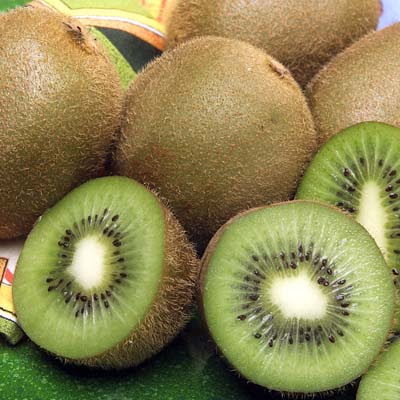
This superfood is a perfect snack on a hot summer’s day. It’s refreshing and cool and tastes good alone, in a smoothie or on top of yogurt! Kiwi, which is grown in Italy, South Africa and Chile, is not only a delicious summer treat, it also has many added health benefits. Sadly, Kiwi is often overlooked and misunderstood. Not anymore! This week’s superfood deserves it’s time in the spotlight, and you will definitely want to stock up once you see what powerful vitamins and antioxidants are hidden inside!

Vitamins & Minerals Galore
Don’t let the tiny exterior fool you, this small fruit is full of vitamins and minerals! Kiwis contain over 20 key vitamins and minerals that are essential to healthy skin, healthy eyes, strong bones & muscles! To name a few, one kiwi has 215 mg of Potassium, 23 mg. of Calcium, 1.01 mg. of Vitamin E, 27.5 mg. of Vitamin K and 60 IU’s of Vitamin A! And that’s just in one little kiwi. For example, if you have two kiwis, you are getting more potassium that one banana!
Unlike most fruits, the vitamin E that is found in the kiwi fruit is known to fend off the free radicals in your body [that can lead to sickness and infection] as well as keep skin smoother [which makes you look younger!] One kiwi also has more skin boosting [and brightening] Vitamin C than an orange! [Which provides almost 100% of your necessary Vitamin C in one day!]
Weight Control & Weight Loss

Kiwi’s are not only full of vitamins & minerals, but are also full of fiber! Most of the fiber found in kiwi’s is located in the fuzzy skin, which is often removed due to the misconception that you can not eat it. So instead of peeling your kiwi, eat the skin for extra fiber! The fiber found in kiwis improves diseases such as diabetes by controlling sugar levels. The fiber also works to prevent colon cancer since the fibers bind to toxic compounds in the colon and expels them before they cause harm. Fiber also works to keep us full, which prevents overeating and weight gain.
Kiwis are also very low in calories, containing only 42 per kiwi! Kiwis also contain over 1 gram of protein and over 3 grams of dietary fiber, which is more than an orange and as much as a banana!
Respiratory Benefits

According to recent studies done [found on Kiwi-Fruit.Info], children who were fed fruits high in Vitamin C [especially kiwis’] had a 44% less probability of wheezing or developing asthma than kids who ate less or no kiwis/citrus fruits. The study also found a significant decrease in shortness of breath, nighttime coughing, chronic cough and runny nose in the children who ate kiwis.
Instead of grabbing your usual banana, apple or orange, grab a kiwi instead for a refreshing fruit that is full of health benefits! For a list of great recipes featuring this super-food, visit All Recipes!
Claire
Tags:antioxidants, fruit, healthy snack, healthy summer snack, kiwi, kiwi recipes, super fruit, Superfood of the Week