
A Fit Tip: Never Underestimate the Importance of Goals
 PIN IT!
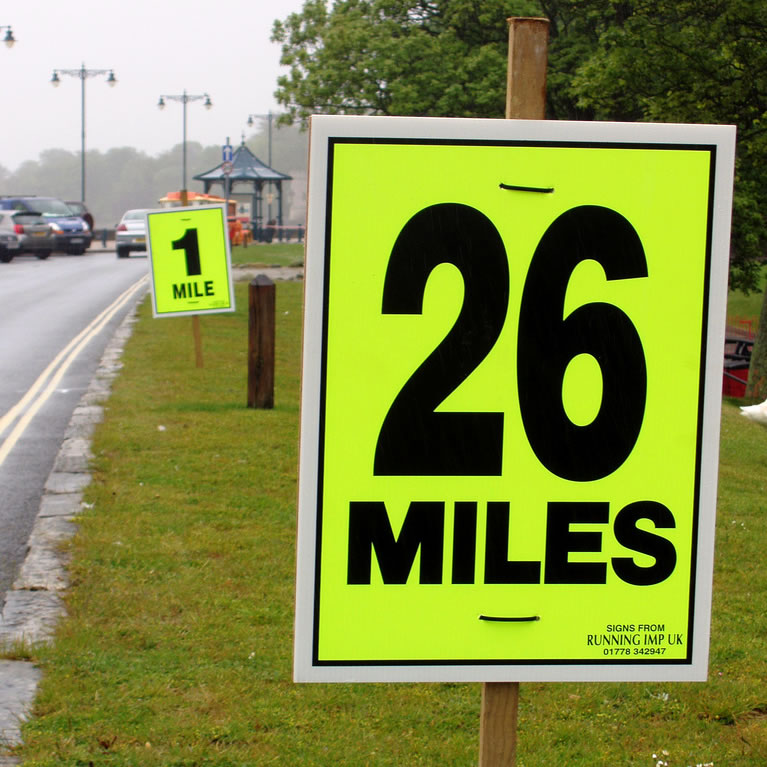
The reason for this picture is simple and represents what this post is all about, goals. One of the biggest goals I have in my life (besides to be successful and follow my dreams) is to run in AND finish a marathon (all 26.2 miles). It’s been a goal of mine ever since I got into nutrition and health (at the awkward age of 13) and I’ve yet to even come close to accomplishing it. With no races under my belt, this is a huge feat to take on and I know that. But as I get older and see dozens of my friends (some who have 3 kids and a full time job) tackling 26 milers on the regular, I realize I have no excuses as to why I haven’t done this or haven’t really tried to. Because I’m young, healthy and kid-less, I’m going to step it up and tackle this inspirational goal in 2 years.
The 4 Goal Questions You Need to Answer
Although it felt good to verbalize that goal, words are just words and I need a solid action plan, which is where the 4 goal questions come into play. Although to some, just stating “I want to lose weight” may be sufficient, but for the masses (and myself) there needs to be more specificity (cue the why, when, how and what if). Below are the 4 goal questions you need to answer in order to really bring your overall goal to life.
- Why are you doing this?
- When do you plan to have this accomplished?
- How do you plan on doing this?
- What if _____? How will you readjust your goal to stay on track?
All of these questions relate to the most important things to remember when you are making a goal (for fitness or for life):
- Goals need to be specific. This will answer the why question. Research has found that people who made specific goals versus generalized goals were more successful in completing their goals and staying motivated. So instead of saying a broad statement, like “I want to lose weight” be more specific, like “I want to lose 30 pounds by April 2nd for my wedding.”
- Goals need to be measurable. This will answer the when question. Simply stating you want to get thinner isn’t enough, you need to be able to document and measure your weight loss to stay motivated. For example, by establishing weekly weigh-ins, you can see first hand how well you are doing by the pounds loss. It’s also important to set a goal that can be measured in time, otherwise you may keep putting it off. For example, instead of stating “I want to run a marathon” add a time length to it for more pressure, such as “I want to run a marathon in May of 2012.”
- Goals need to be adjustable. This goes with the what if question. What if during your marathon training you twist your ankle or break your leg? These experiences are tragic but happen in life and you need to be realistic with your goal planning. If the doctor says you have to be off your leg for 3 months, competing in a triathlon in 4 months is no longer very attainable. Make sure you are able to adjust your goals when life throws you a curve ball.
- Goals need to be action-oriented. This is how you are going to complete your goal. If your goal is losing weight, your action plan should be to eat 1500 calories a day, do cardio 4 days a week and weight train for 3 days a week. By setting up an action plan, it’s easier to stay on track.
- Goals need to be realistic. This point goes well with the adjustable point. If you have never run outside, setting a goal to run a half marathon in 2 months is not realistic. Or saying you want to lose 30 pounds in a month. These goals are hard to attain because of how unrealistic they are. They aren’t impossible (some people have accomplished them) but for the average Joe they are a bit out of the ballpark. Know what you are capable of accomplishing when you are feeling 100% and set your goal based on that.
One of the unspoken keys to success, especially when it come to fitness, is setting attainable, realistic and personal goals. There’s no better feeling than knowing you set your mind to something and you did it. For me, I’ll know what that feels like again when I am one of those little runners in the picture below and I cross mile marker number 26.

[2010 Chicago Marathon, via]
Like That? Try This: Buffalo Wings
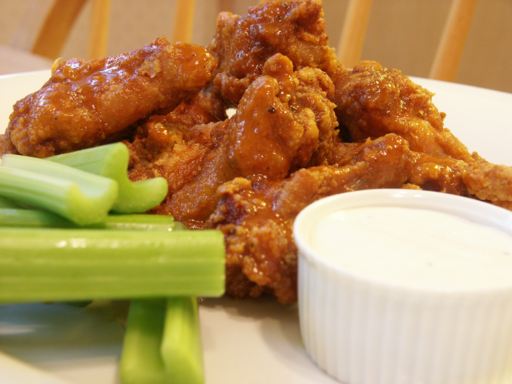 They look delicious, but these fried favorites can cost you an entire day’s worth of fat!
Besides all of the other very wonderful things fall brings with it, one of my absolute favorites is football. Go Bucks! Okay, team gloating aside, I love spending my Saturdays watching football with a beer in hand and a wing in the other. Wings are one of those bar and weekend staples that are nearly impossible to replace, but the inner nutritionist in me has been desperate to find a skinny version of these fried favorites. Why not just enjoy the original? A basket of 5 chicken wings has over 500 calories and 35 grams of fat. And that’s without the ranch/blue cheese dipping sauce container, which has 200 calories and over 20 grams of fat! Add the two and you are at the recommended grams of fat FOR AN ENTIRE DAY in just one meal.
After a few failed attempts at recreating this football favorite (grilled chicken tenders marinated in buffalo do not even come close), I came across a recipe that sounded too, well, weird not to try on Eating Well. They took everything we love about buffalo wings, like the flavor, crispy skin, celery, carrots and blue cheese, and baked it all into a casserole! One serving of this casserole saves you 150 calories and over 20 grams of fat! I know it sounds weird, but it tastes great and is a good substitute to the real thing. (My camera died, of course, and I couldn’t get photos of it finished. But it turned out great!)
Buffalo Wing Casserole
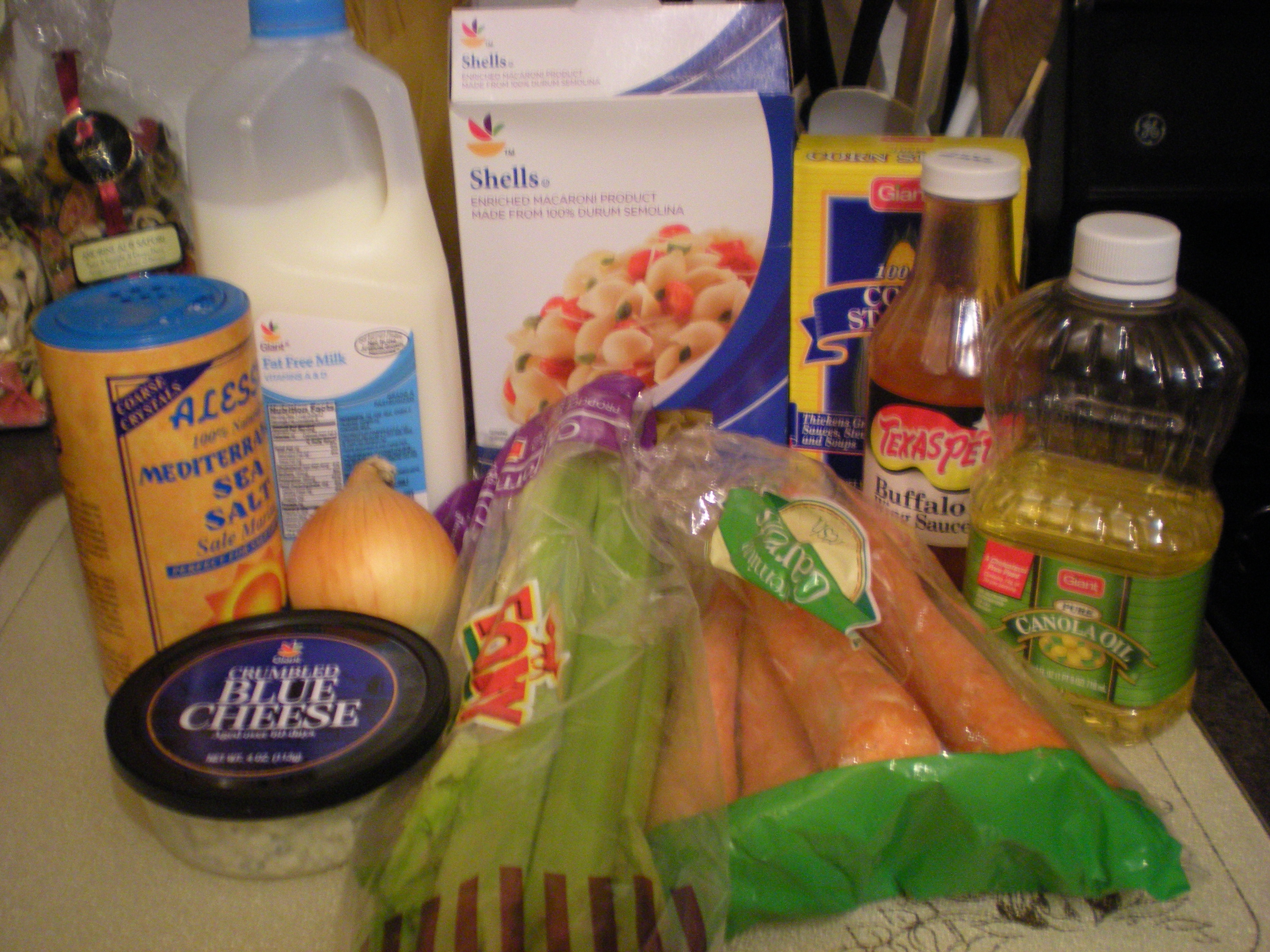
Ingriedients
- 12 ounces whole-wheat noodles (I used regular shells)
- 2 tablespoons canola oil
- 3 medium carrots, sliced
- 3 medium stalks celery, sliced
- 1 large onion, chopped
- 2 pounds boneless, skinless chicken breast, trimmed and cut into 1-inch cubes
- 1/3 cup cornstarch
- 4 cups low-fat milk
- 1/8 teaspoon salt
- 5 tablespoons hot sauce
- 3/4 cup crumbled blue cheese (about 4 ounces)
Preperation
- Preheat oven to 400 degrees
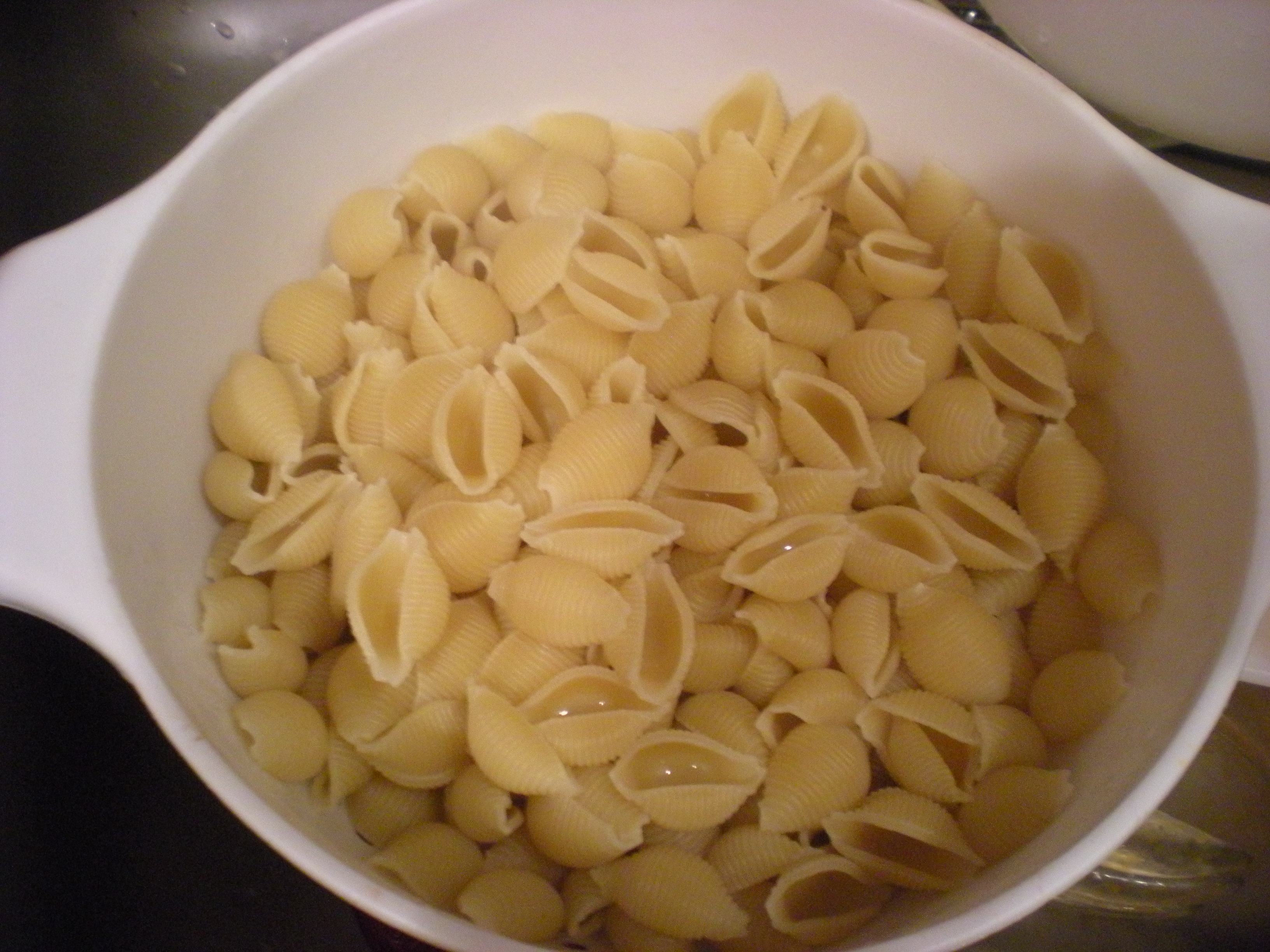
- Bring a Dutch oven (or large pot) of water to a boil. Cook noodles until barely tender, about 2 minutes less than package directions. Drain, rinse and set aside.

- Heat oil in the pot over medium heat. Add carrots, celery, onion and garlic and cook until beginning to soften, about 5 minutes.
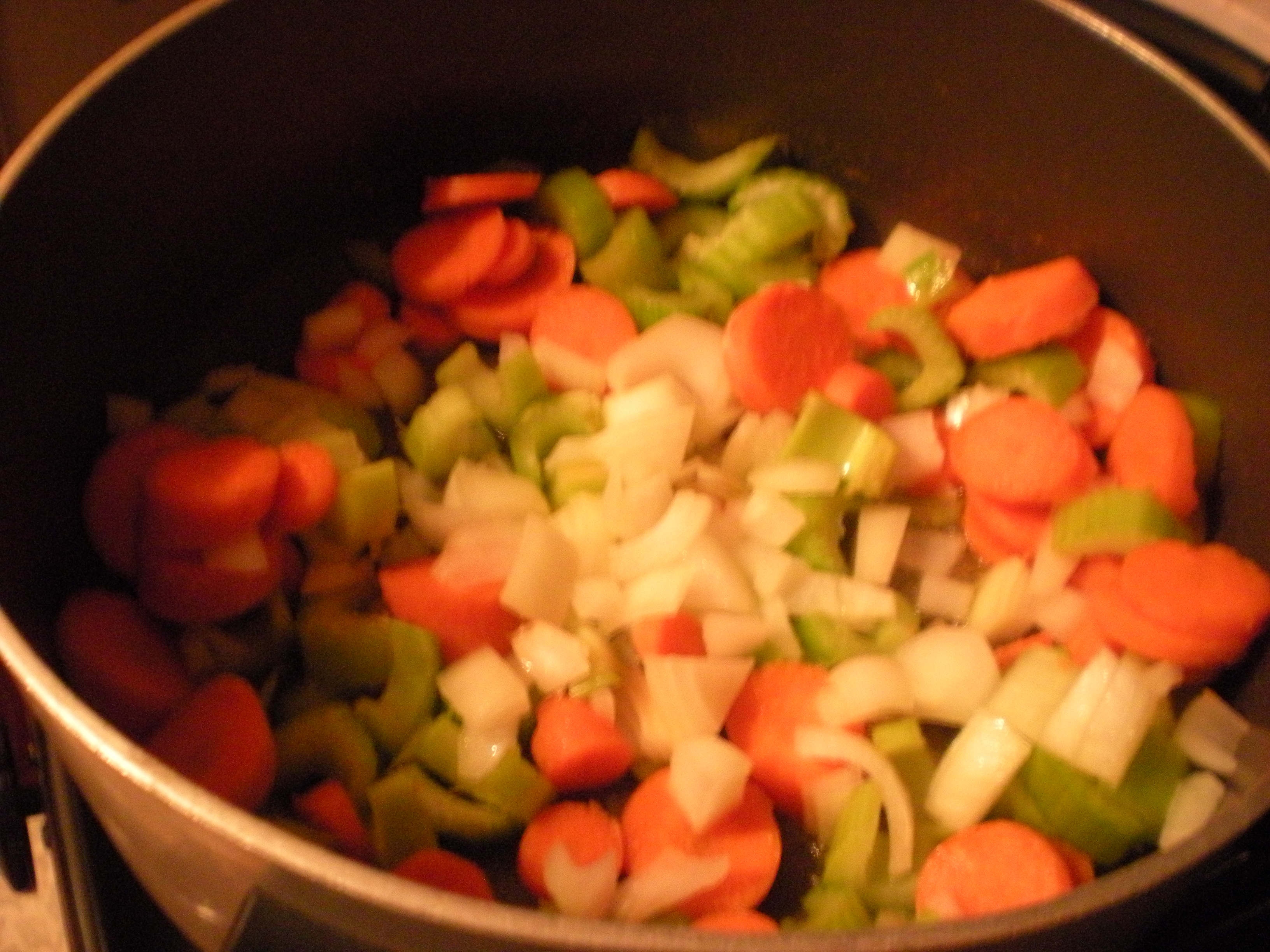
- Add chicken and cook until no longer pink on the outside, 5 to 7 minutes.
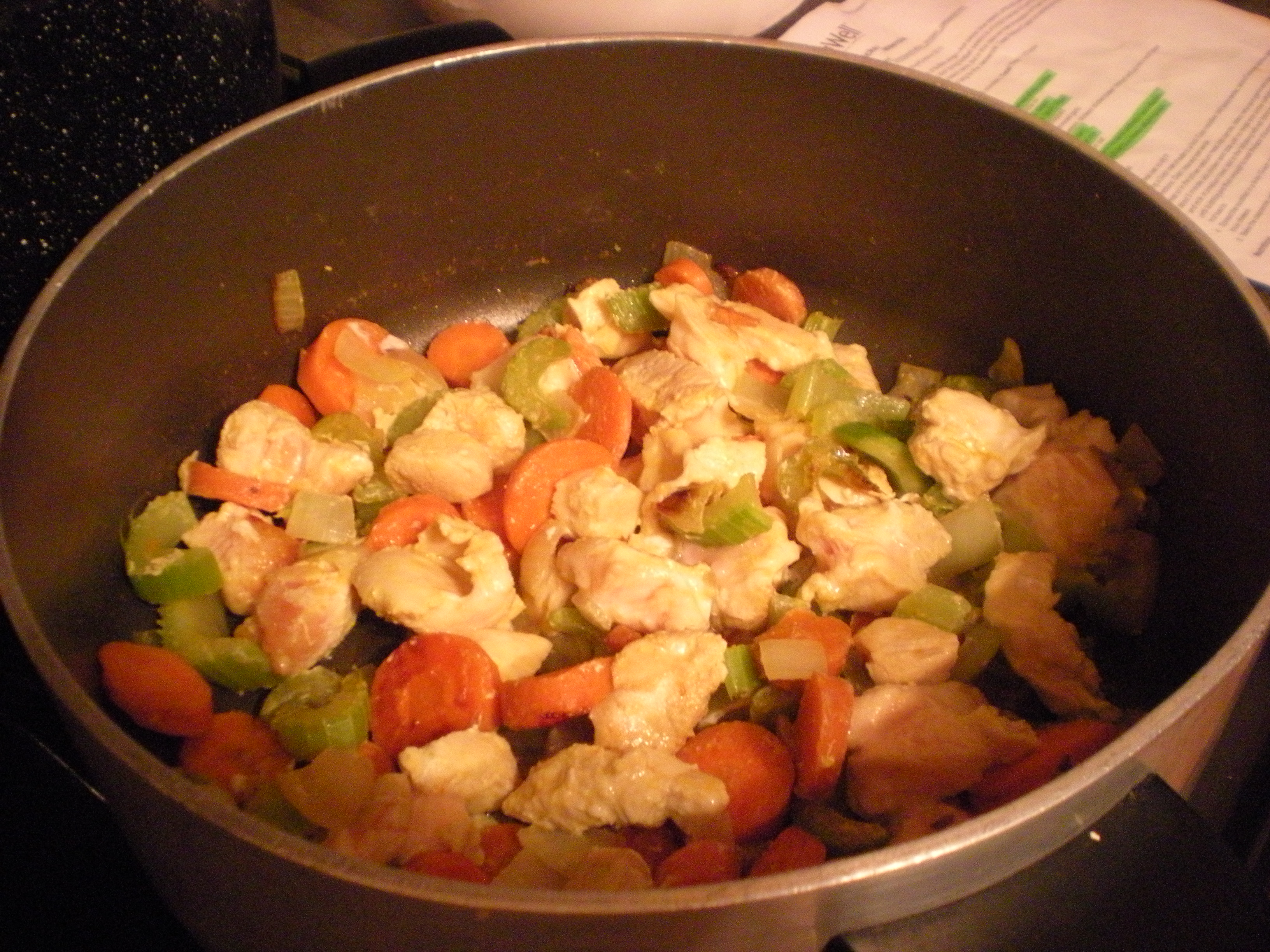
- Whisk cornstarch and milk in a medium bowl; add to chicken/vegetable mixture with salt.
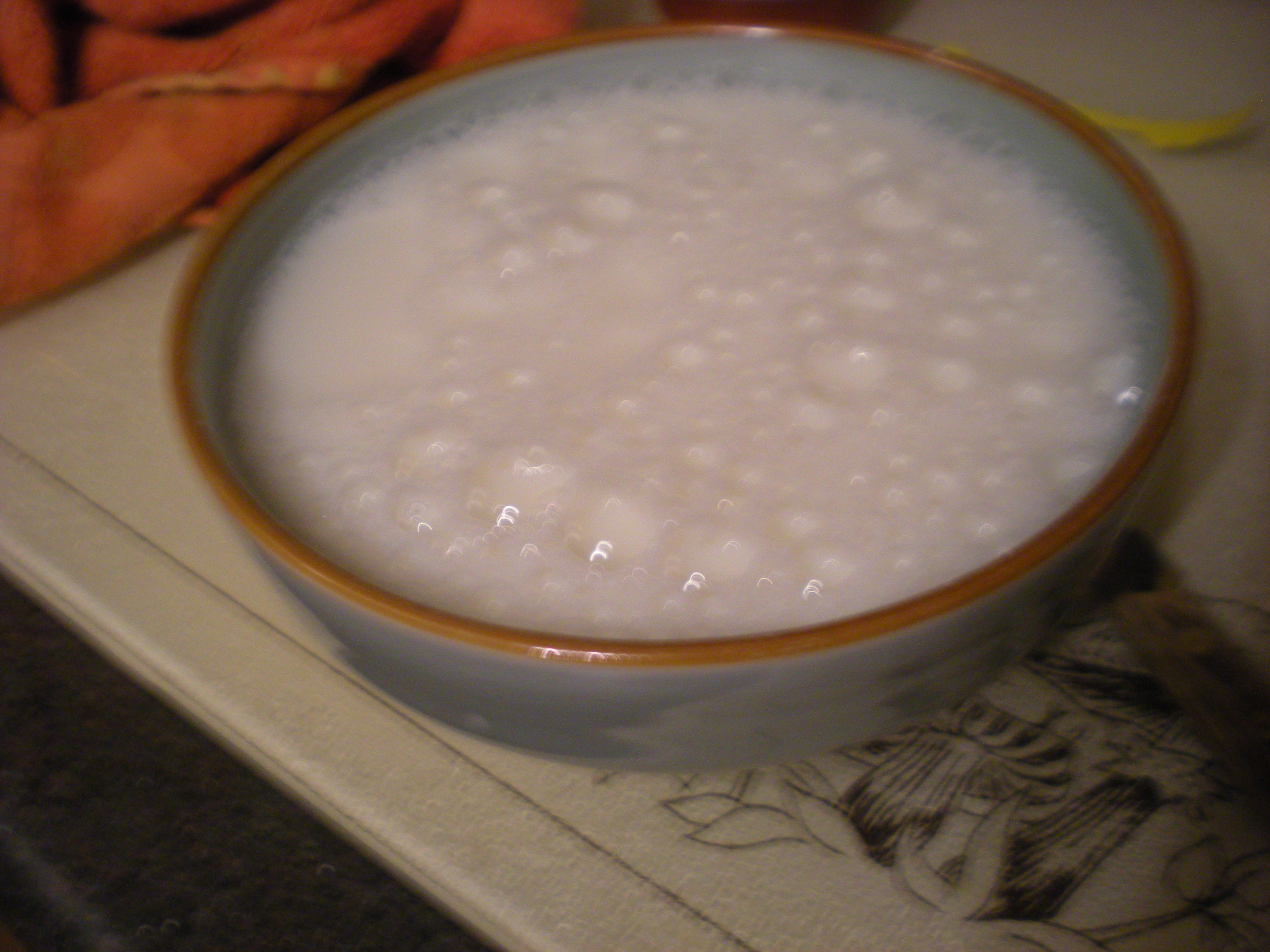

- Bring to a boil over medium-high heat, stirring often, until bubbling and thick enough to coat the back of a spoon, about 4 minutes.
- Remove from heat and stir in hot sauce.

- Spread the noodles in a 9-by-13-inch (or similar 3-quart) baking dish.
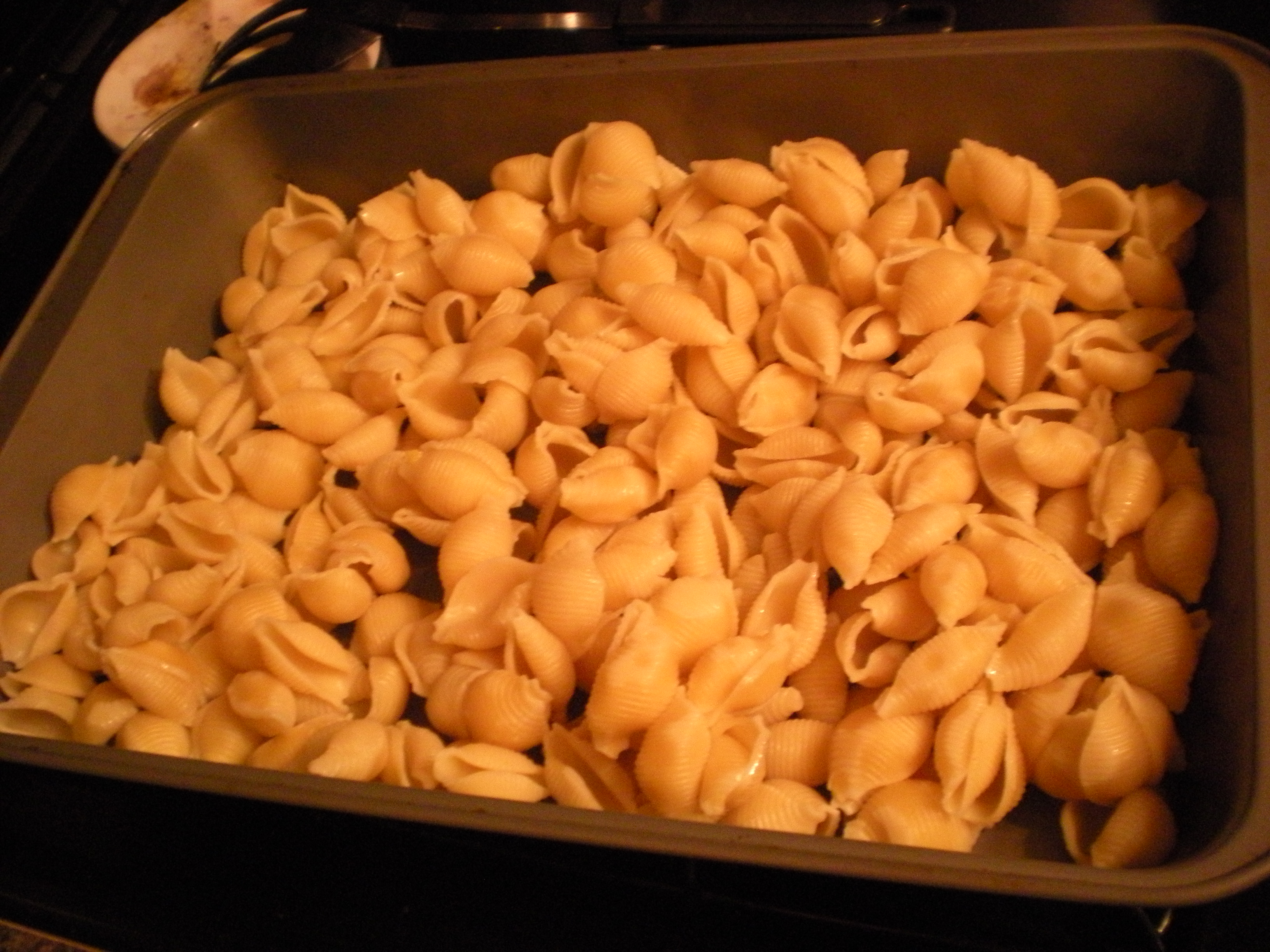
- Top with the chicken mixture; sprinkle with blue cheese. Bake the casserole until it is bubbling, about 30 minutes. Let stand for 10 minutes before serving.
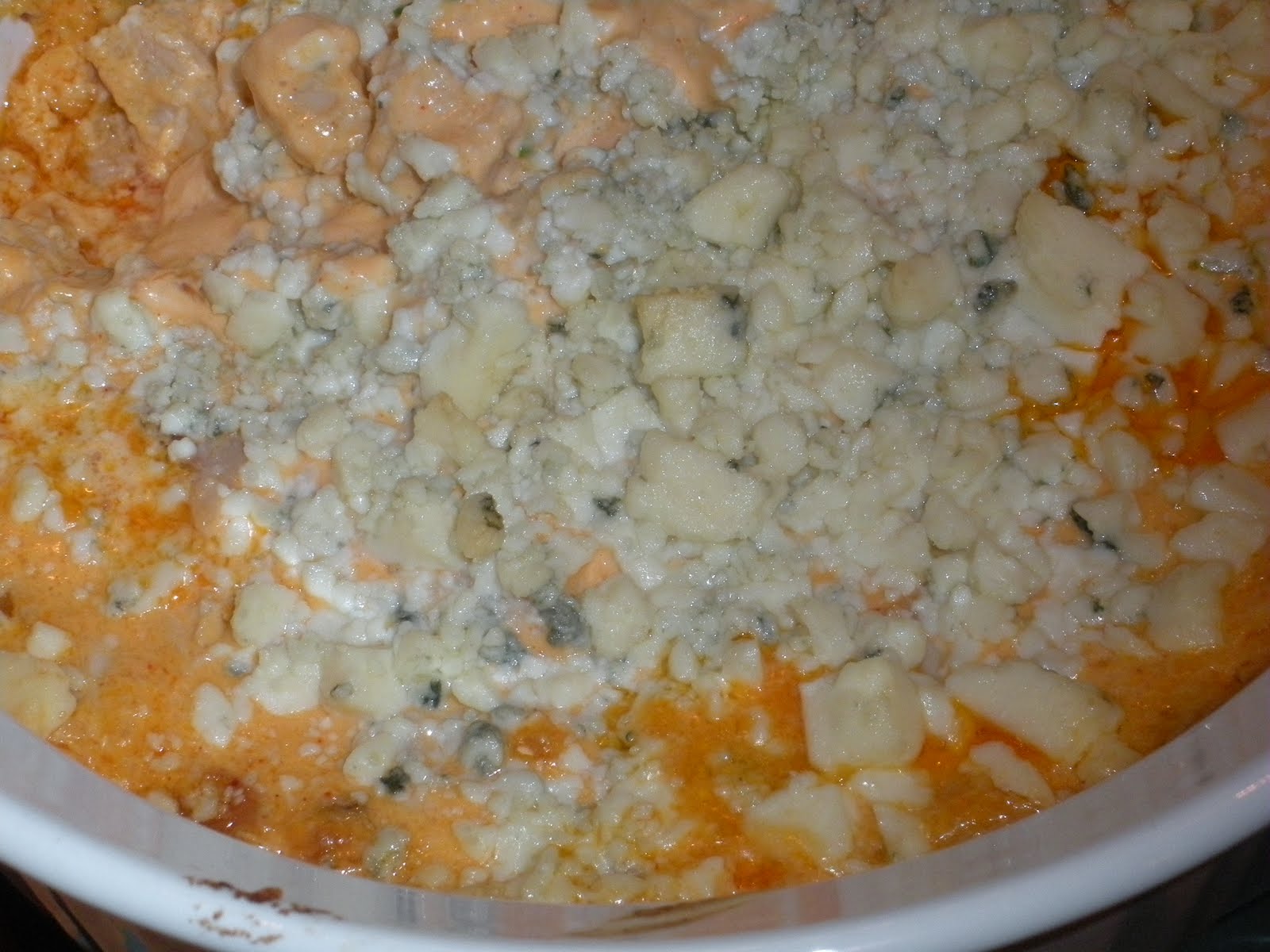
(via)
Nutritional Information: 400 calories, 12 grams of fat, 37 grams of protein and 5 grams of fiber.
 Claire
Tags:buffalo, buffalo chicken casserole, buffalo wings, fall food, football food, tasty food, wings
Happy Halloween!

…because sometimes life just calls for a Halloween inspired Pillsbury funfetti cake. Hope ya’ll had a fantastic weekend! (With a little bit of junk food because we’re never too old for cake, icing and a lot of sprinkles shaped as pumpkins and bats!)
Claire
Tags:cake, delicous food, funfetti cake, Happy Halloween, junk food, Pillsbury cake
Nutrition in the News: A Walnut a Day Can Keep Stress at Bay!
Eat these….

to avoid this…

Who knew one little nut was so powerful?
As a person who spends about 99.5% of her day resembling the woman above, I’m always on the lookout for healthy and natural ways to reduce my stress (no Rx necessary!). I’ve tried them all and I’m still functioning at about a 5 million percent stress level so I’m willing to take any tip I can get!
According to an article published in the October 7th edition of the LA Times, researchers found that including walnuts (who are high in omega-3 fatty acids) and walnut oil into one’s diet lowered their resting blood pressure and their blood pressure responses to higher levels of stress. What the study aimed at finding was that a dietary change could potentially help our bodies reduce stress, without the need for a prescription or shrink!
The experimental details of the study, which can be found here, put people on three different diets, one without nuts, one with 1.3 ounces of walnuts and one that included walnut and flax seed oil. The results found that the average diastolic blood pressure was significantly less in the people who had walnuts or walnut oil in their diets.
By adding just 1.3 ounces (or 1/3 cup) of walnuts into your daily diet, you can significantly reduce your blood pressure and can increase your body’s ability to handle stress! If you can’t eat walnuts plain and dry, try the very easy and tasty dessert idea below! This time, you can tell your friends with scientific backing that eating dessert is lowing your stress!
Maple Glazed Walnuts

[Via]
Ingredients
- 2 cups walnut halves
- 1/3 cup maple syrup
- 1/8 teaspoon salt
Preperation
- Preheat a dry skillet over a medium-high heat.
- Add the walnuts, maple syrup and salt.
- Cook, stirring frequently, until syrup is caramelized and nuts are toasted, about 3 minutes. Let cool.
Nutritional Information: 265 calories, 19 grams of fat, 5 grams of protein and 2 grams of fiber.
Superfood of the Week: Pumpkin Seeds

Pumpkin seeds are a tasty, and very healthy autumn snack! [Photo via]
I’m not sure what the weather is like for all of my friends across the continent, but I’m happy to report there’s a chill in the air that’s expected to linger until after winter, and I honestly could not be more excited about it. I’m a fall junkie, through and through, and one of my favorite parts of this gorgeous season are the bright orange fruits that decorate the leaf filled landscape. Pumpkins [which are a fruit, did you know that?] are not only a fabulous decoration for fall, a fun activity for Halloween or a perfect Thanksgiving dessert, they contain some of the healthiest little seeds out there in their cores! That’s correct, pumpkin seeds are full of many vitamins and minerals and are known for promoting prostate health and lowering cholesterol, among others benefits!
Men’s Health

According to the World’s Healthiest Foods, the carotenoids and omega-3 fatty acids that are found in pumpkin seeds are also being heavily studied by cancer researchers for their potential prostate health benefits. Men with higher amounts of carotenoids in their diet have been proven to have less risk for BPH. The level of zinc found in pumpkin seeds has also been linked to better prostate health for men and a lower risk for developing prostate or testicular cancer.
Along with prostate health, pumpkin seeds have been found to improve men’s bone health, especially as they age. 1 in 8 men over the age of 50 will have osteoporotic fracture. A study done by the American Journal of Clinical Nutrition found a correlation between a man’s level of zinc and their risk of osteoporosis. Pumpkin seeds contain 20% of our daily intake of zinc, so men, eat up to avoid brittle bones!
High in Vitamins, Minerals and other Good Stuff!
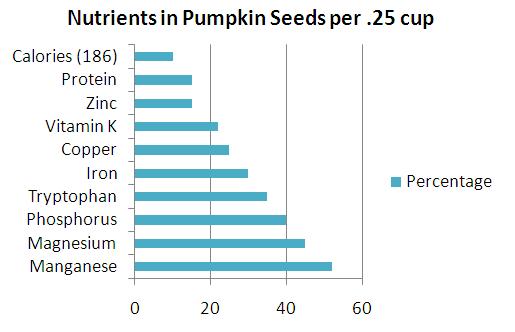
As this this graph dictates, pumpkin seeds are a very good source of manganese and magnesium, as well as zinc, copper and vitamin K. Keeping your levels of magnesium up are imperative to your cellular health. Over 300 enzymes require the presence of magnesium ions in order for them to catalyze. People with low levels of magnesium have a higher chance of developing diabetes, asthma and osteoporosis! And, as mentioned above, low levels of zinc in men have been proven to increase their risk of bone deterioration.
Lower Bad Cholesterol

Diagram courtesy of Hub Pages
This diagram portrays the arteries of someone with high LDL (bad) cholesterol. As you can see, the LDL accumulation on each side of the arteries forms a mound inside the arteries which make it harder for the good cholesterol(HDL) and blood to pass through. This build up can eventually lead to a stroke or heart attack. One way you can prevent the build up of LDL in your arteries is by eating pumpkin seeds, sunflower seeds and sesame seeds! The phytosterols found in these seeds are believed to reduce blood levels of cholesterol, which can prevent buildup. Pumpkin seeds have 265 mg. of phytosterols (8.75 ounces), which is the second highest amount in the seeds listed above.

Our pumpkin from last year! Make sure to save your seeds after you are done carving yours this Halloween!
Since a majority of you will be getting pumpkins this year to carve and bake, make sure you save the seeds for the reasons listed above! Below is a fantastic recipe, courtesy of Food Network, that give these seeds added fat burning and metabolism revving power due to added spices!
Spicy Pumpkin Seeds

Ingredients
- 3 cups pumpkin seeds
- 2 tablespoons canola oil
- 1 1/2 tablespoons ancho chili powder
- 1 tablespoon kosher salt
- 1 teaspoon chile de arbol powder
Preperation
- Preheat oven to 350 degrees F.
- Place the pumpkin seeds in a large bowl and toss with the oil, ancho powder, salt, and chile de arbol powder. Spread evenly on a baking sheet and bake for 8 to 10 minutes, stirring once. Let cool and store in an airtight container.
Nutritional Information: 190 calories and 5 grams of fat